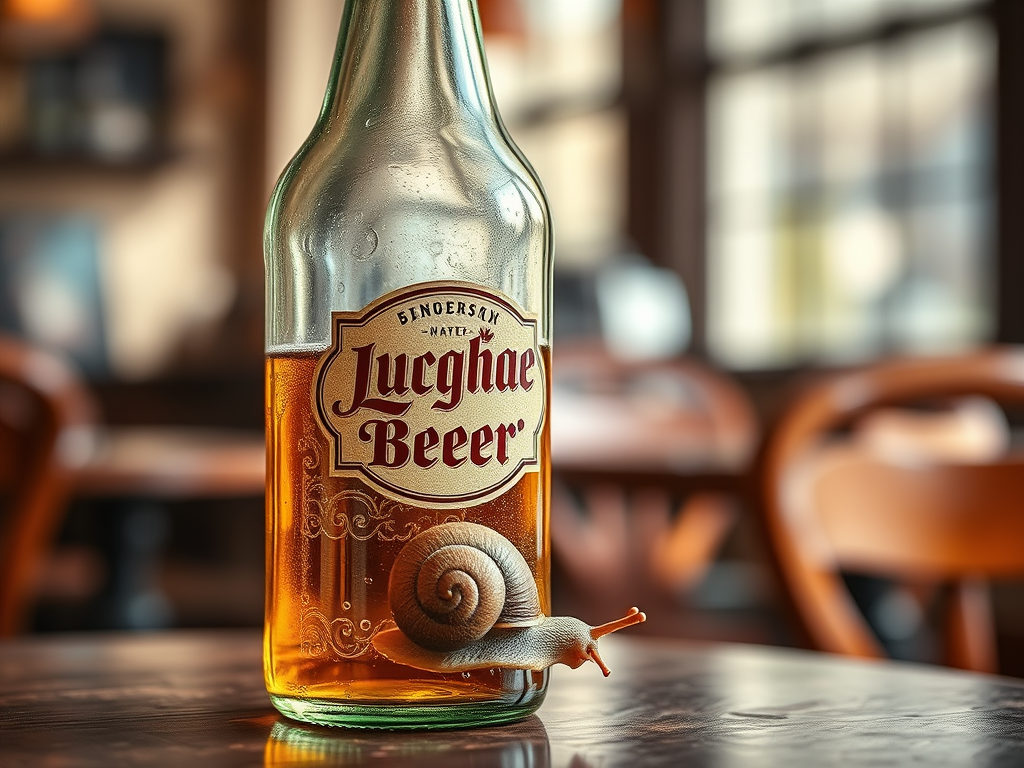
Donoghue v Stevenson (1932) AC 562, UKHL 100
FACTS
– The Plaintiff (or Claimant as they are now called), Mrs Donoghue drank from a bottle of ginger beer. This was bought to her by a friend in a café.
– The bottle was opaque and when she poured the contents into her glass, she noticed a decomposed snail in the bottom.
– The snail allegedly caused her to become sick.
– Mrs Donoghue did not hold a contract with the beer manufacturer, so the only way she could seek legal redress was through the tort of negligence.

The below diagram illustrates the contractual relationship in the case – note that Donoghue did not have a contract with Stevenson, therefore the action was in negligence rather than breach of contract.

DECISION
– The House of Lords (as it then was) held that the manufacturer (Stevenson – the Defendant) owed Mrs. Donoghue a duty of care not to cause her injury. This is sometimes referred to establishing the ‘neighbourhood principle’.
– Three main reasonings of the court:
1. Negligence is a distinct and separate element of tort law
2. Duty of care in tort does not require a contractual relationship
3. Manufacturers of a product owe a duty to those who intend to use their product
 The Law Tutors Blog